
Boutique Hotel Lobby Design: Trends That Define Modern Hospitality
Why the Lobby Sets the Tone
A boutique hotel lives or dies by its first impression. The lobby is no longer a transactional space where guests check in and move on. It has become a destination in itself: a lounge, a co-working corner, a place for a quiet drink. For interior designers and architects working on hospitality projects, the lobby is where brand identity, guest experience, and spatial storytelling converge. Leading design studios such as MODM Studio have demonstrated how thoughtful lobby design can transform guest experiences from the moment they walk in.
In 2026, the most compelling boutique hotel lobbies share a few common threads: warmth without excess, texture over pattern, and a careful balance between intimacy and openness. Here is what that looks like in practice.
Layered Textures and Material Contrast
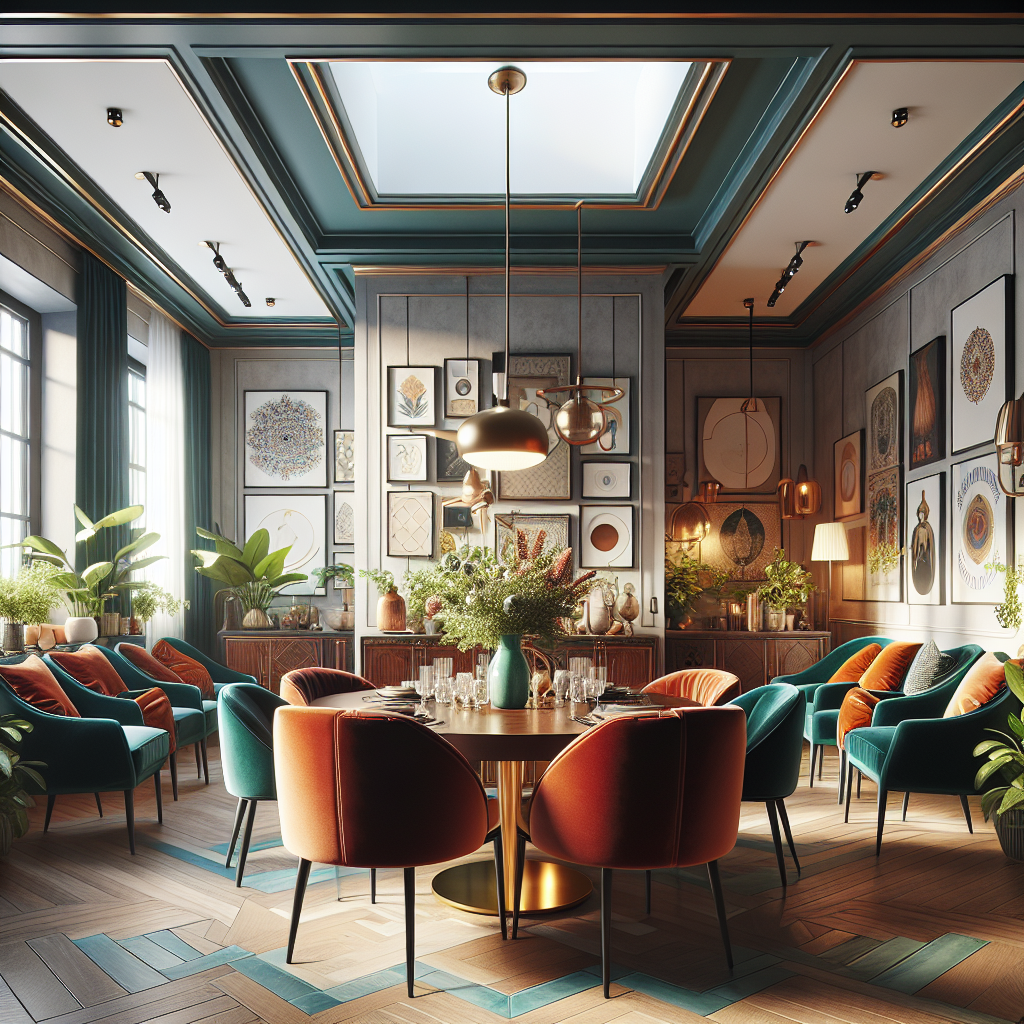
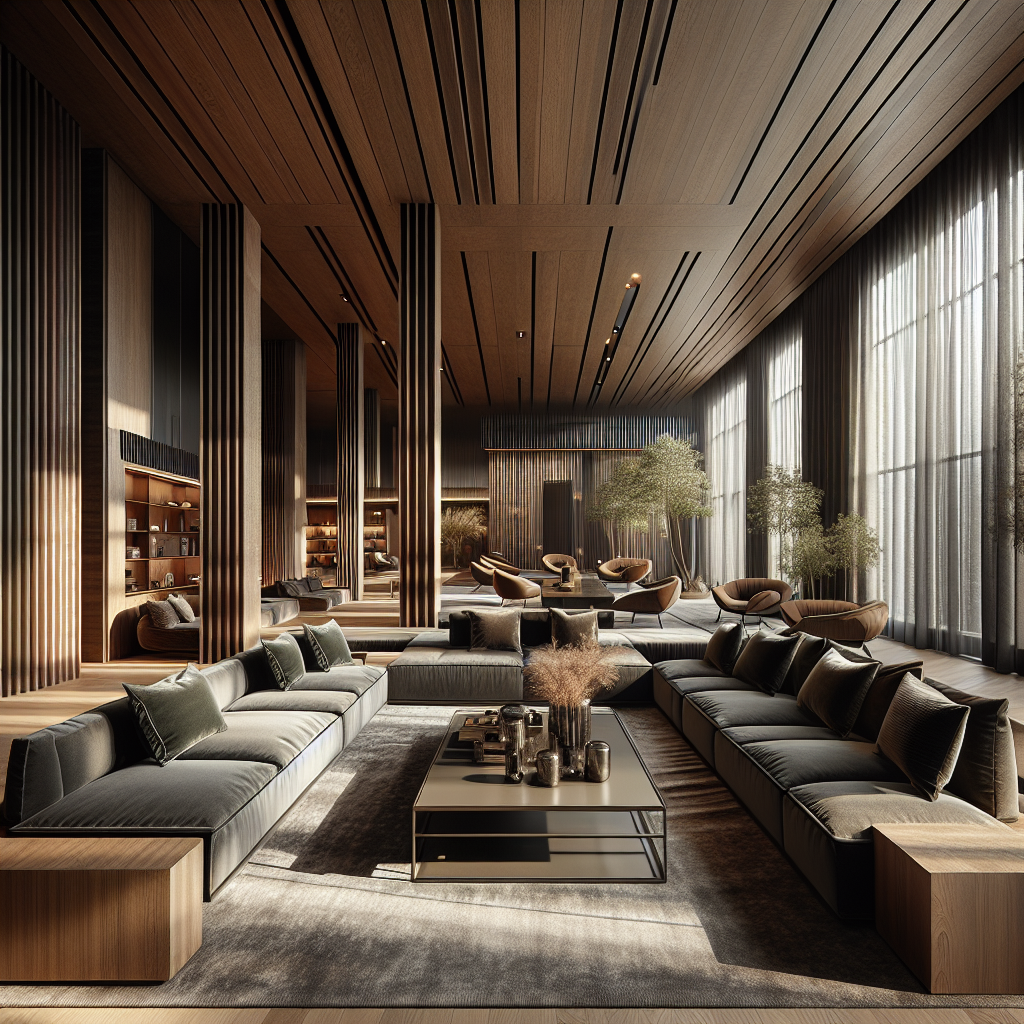
The strongest lobby designs this year rely on material contrast rather than bold colour. Think brushed brass table bases paired with deep velvet armchairs, honed stone floors next to woven jute rugs, and ribbed timber panelling alongside smooth plaster walls. The goal is a space that feels collected over time rather than installed in a single day.
Tactile richness matters. Guests instinctively reach out and touch surfaces, so specifying materials that reward that impulse (boucle upholstery, terrazzo counters, fluted glass screens) elevates the experience far more than a feature wall ever could.
Seating That Invites Conversation
Fixed rows of chairs facing a reception desk belong to a previous era. The most effective lobby layouts in 2026 use clustered seating zones: a pair of lounge chairs angled toward each other, a curved sofa flanked by side tables, a communal table with mixed seating heights. Each zone serves a different purpose without walls or partitions.
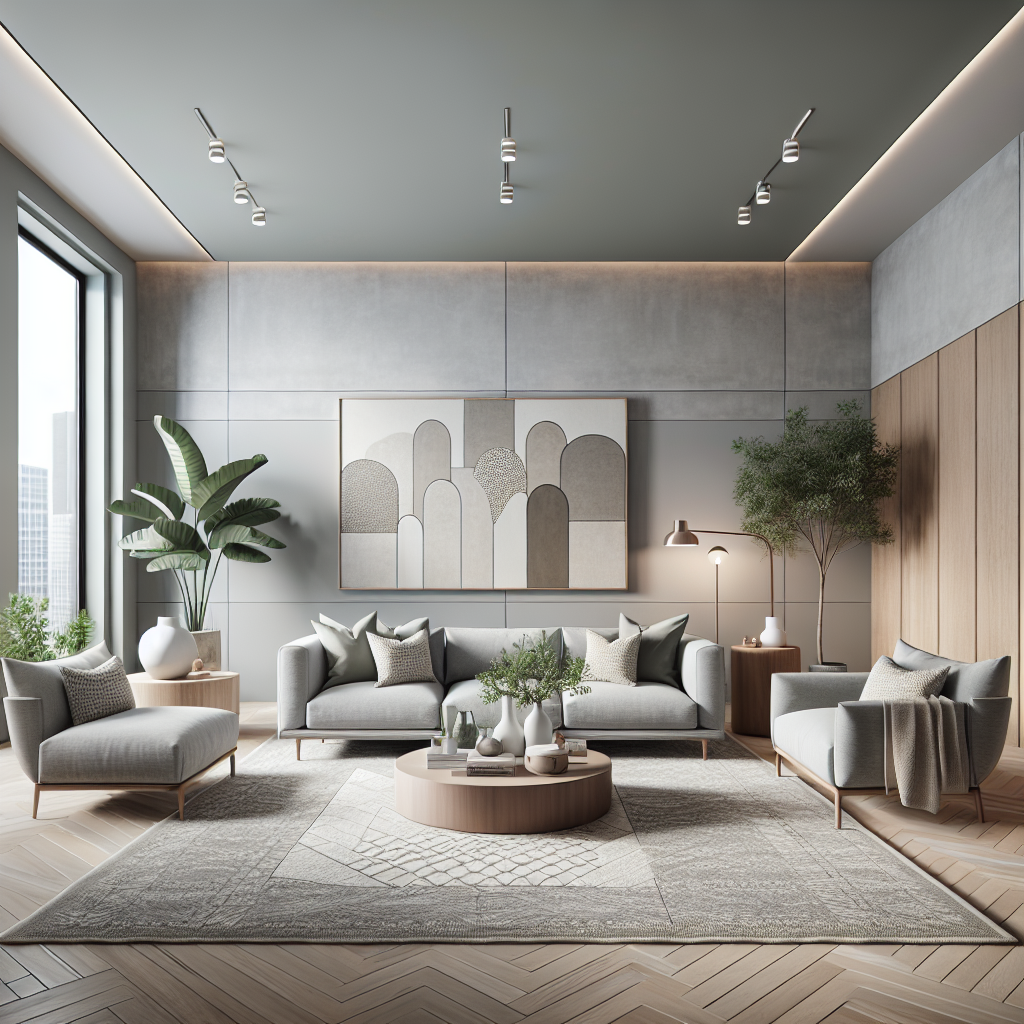
Symmetrical arrangements work particularly well in lobbies. Two identical sofas facing each other across a low coffee table create an immediate sense of order and calm, while mismatched accent chairs nearby add personality. The furniture itself does the space planning.
Statement Lighting as Sculptural Anchor
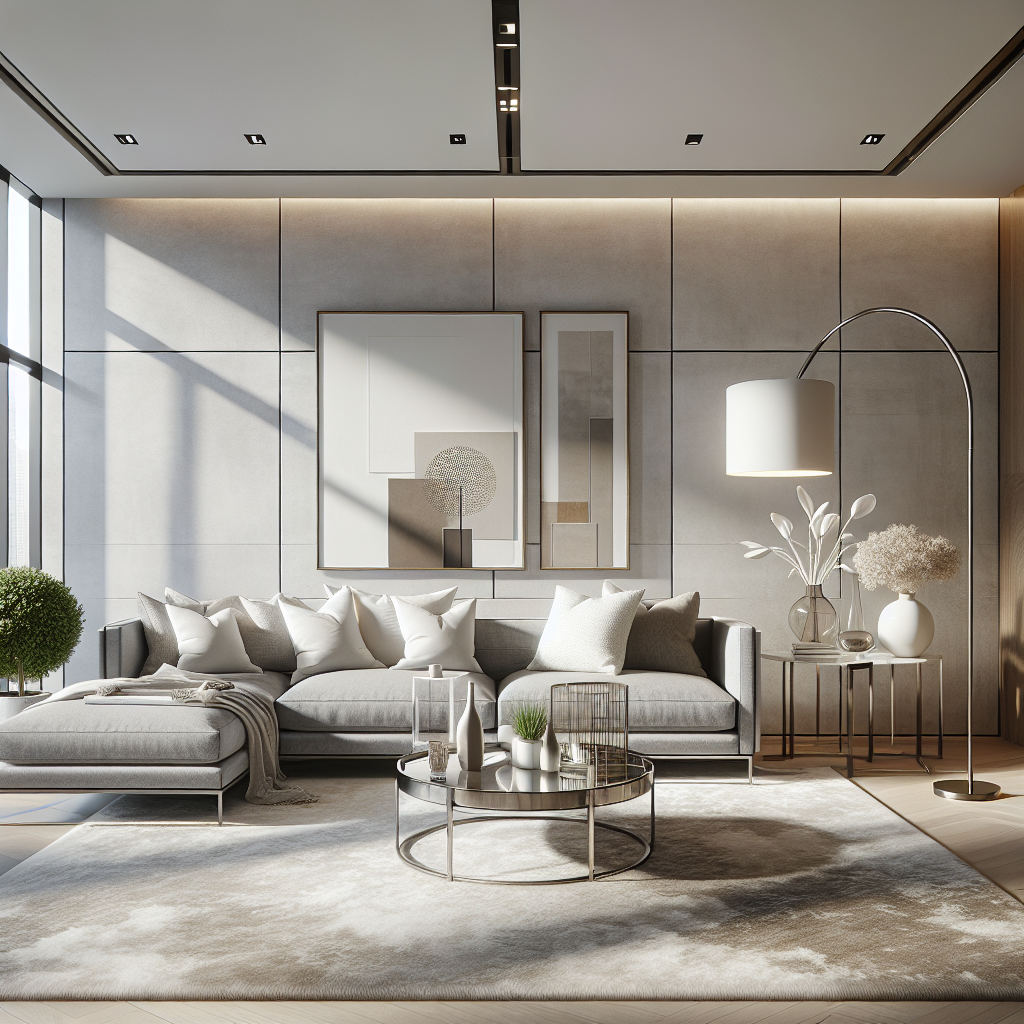
Lighting in a boutique hotel lobby is never just functional. A large-scale pendant or cluster of pendants above the central seating area acts as the visual anchor for the entire space. In lobbies with high ceilings, oversized fixtures draw the eye upward and make the volume feel intentional rather than empty.
Layered lighting remains essential: ambient light from concealed coves, task light from reading lamps beside armchairs, and accent light washing artwork or textured walls. The combination creates depth and allows the mood to shift from daytime energy to evening intimacy without any major changes.
Biophilic Elements and Living Greenery
Plants have moved well beyond the decorative potted palm. Boutique lobbies now integrate greenery as a core design element: living walls behind the reception desk, large-scale planters used as room dividers, trailing plants on open shelving. The effect is a space that feels alive and breathable.
Beyond aesthetics, biophilic design has measurable effects on guest wellbeing. Natural materials, visible greenery, and access to daylight reduce stress and improve the perception of air quality. For a boutique hotel competing on experience rather than room count, these details matter.
Warm Neutrals with Strategic Colour
The dominant palette for boutique lobbies in 2026 leans into warm neutrals: sand, clay, warm grey, off-white, and natural timber tones. Colour arrives through considered accents rather than saturated walls. A pair of rust-toned velvet chairs, a teal cushion, a deep green planter. These moments of colour feel intentional and personal rather than themed.
This approach also gives designers flexibility. Accent pieces can be updated seasonally or replaced without disrupting the overall scheme, which matters for operators managing renovation budgets over time.
Specifying for Boutique Hospitality
When specifying FF&E for a boutique lobby, durability and character need to coexist. Contract-grade upholstery fabrics with high Martindale ratings, solid wood frames with proper joinery, and stone surfaces that age gracefully under heavy use are all non-negotiable. The challenge is finding pieces that meet these performance requirements while still looking like they belong in a curated residential interior rather than a commercial catalogue.
Platforms like FringeInterior.com index over 200,000 products from independent European manufacturers, making it easier to source pieces that hit both marks. Whether you need a specific lounge chair in contract-grade fabric or a bespoke pendant fixture, having access to a broad catalogue from lesser-known makers often yields more distinctive results than defaulting to the usual suspects.
Further Reading
- The Evolution of Hotel Lobby Design: From Exclusive Luxury to Inclusive Community Hub
- Discover 10 Most Luxurious Hotels Opened in 2026: Iconic Designs, Unmatched Experiences
- 16 European Furniture Brands Bringing Affordable Luxury to Commercial Interiors
- Top 12 Affordable European Furniture Brands Redefining Hospitality