Acoustic Solutions for Noisy Restaurants: Panels, Upholstery & Strategic Furniture Placement
Noise complaints are the #2 reason diners don't return. Furniture selection and placement significantly impact acoustics without expensive construction.
Related Products
View All →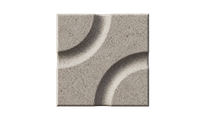
















The Restaurant Noise Problem
Hard surfaces—wood floors, concrete walls, metal chairs—reflect sound rather than absorbing it. Each reflection adds to the overall noise level.
Furniture provides an affordable opportunity to add soft, sound-absorbing surfaces throughout the space.
A restaurant with 60% hard surfaces can be 10-15 decibels louder than one with strategic soft surfaces—the difference between comfortable conversation and shouting.
Acoustic Furniture Strategies
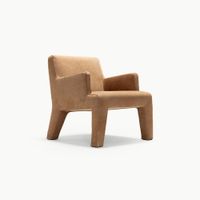
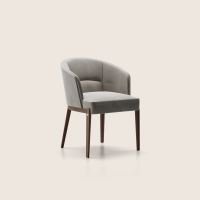
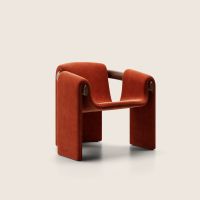
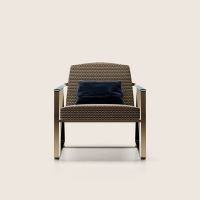
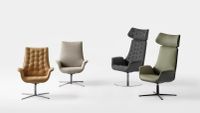
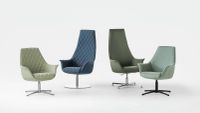
Upholstered Seating
Fabric chairs absorb sound at ear level. Most impactful single change.
High-Back Banquettes
Create acoustic barriers between tables while adding absorption.
Acoustic Panels
Wall and ceiling panels in strategic locations target reflections.
Soft Floor Zones
Area rugs under tables reduce floor reflections.
Acoustic Furniture Options
Fabric-Wrapped Panels
Decorative wall panels that double as acoustic treatment.
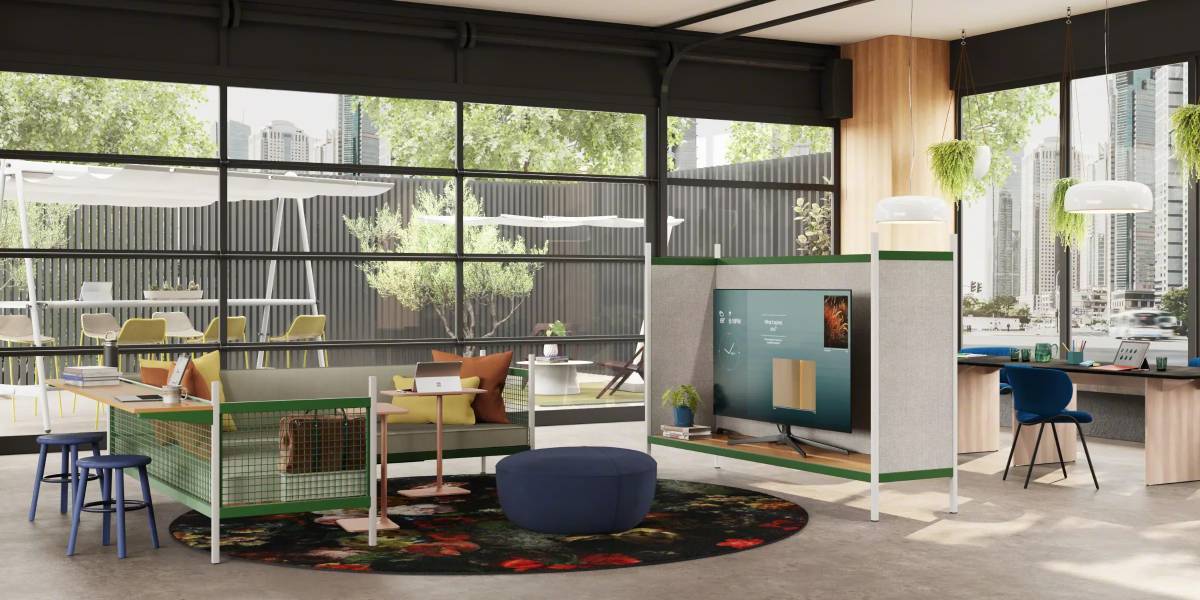
Upholstered Dividers
Freestanding screens that separate tables and absorb sound.
Acoustic Banquette Backs
Extra-high upholstered backs (120cm+) create sound barriers.
Ceiling Clouds
Suspended acoustic panels target ceiling reflections.
Sound Absorption by Material
| Material | Absorption Coefficient | Best For |
|---|---|---|
| Acoustic foam panel | 0.85-0.95 | Walls, ceilings |
| Heavy fabric upholstery | 0.60-0.80 | Seating, banquettes |
| Carpet/rugs | 0.40-0.60 | Floors |
| Light fabric | 0.30-0.50 | Curtains, lightweight seats |
| Wood (smooth) | 0.05-0.10 | Poor absorber |
| Concrete/tile | 0.01-0.05 | Very poor absorber |
Implementation Tips
Target First Reflections
Sound from talkers reflects off walls and ceilings. Treat those surfaces first.
Mix Chair Types
Even 50% upholstered chairs significantly improves acoustics vs all hard seats.
Consider Spacing
More space between tables reduces direct sound transmission.
Test During Service
Measure noise levels at typical busy periods to assess improvements.
Layer Solutions
Multiple small improvements work better than one dramatic change.
Frequently Asked Questions
How much does acoustic treatment cost?
Replacing hard chairs with upholstered costs €50-100 more per seat. Acoustic panels run €50-200 per sqm.
Will acoustic treatment make my restaurant too quiet?
No—it reduces noise but maintains buzz. Target 70-75 dB for energetic but conversational atmosphere.
What's the single best acoustic improvement?
Upholstered seating. It's at ear level where it matters most and addresses the largest reflective surface area.
Related Guides
How to Furnish a 50-Seat Restaurant Under €15,000: A Complete FF&E Budget Guide
12 min read
Contract vs Residential Furniture: Why Your Restaurant Needs Commercial-Grade Seating
8 min read
Lead Times Explained: How Long Does Custom Restaurant Furniture Really Take?
7 min read
Hidden Costs of Cheap Restaurant Chairs: A 5-Year Total Cost Analysis
9 min read
Ready to Find the Right Products?
Search 350,000+ products from 1,900+ brands with AI-powered discovery.