ADA Compliance for Restaurant Seating: Accessibility Requirements Explained
ADA compliance isn't just legal requirement—it's good business. Understanding furniture requirements helps create spaces welcoming to all guests.
Related Products
View All →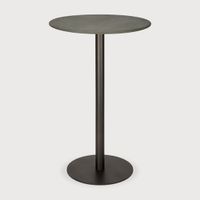















Key Requirements
Accessible Seating Ratio
5% of seating (minimum 1) must be wheelchair accessible.
Route Width
91cm minimum clear width to accessible seating.
Table Bases
Pedestal bases work better than 4-leg tables for wheelchair access.
Dispersed Locations
Accessible seats must be distributed, not grouped in one area.
Accessible-Friendly Furniture
Pedestal Tables
Single center column provides maximum knee clearance.
T-Base Tables
Two legs at center line keep ends clear.
Cantilever Tables
Wall-mounted with no floor legs. Maximum accessibility.
Movable Seating
Chairs that can be removed so wheelchairs pull up directly.
Compliance Tips
Choose Pedestal Bases
Standard 4-leg tables rarely provide required knee clearance.
Avoid Booth-Only Layouts
Fixed booths aren't wheelchair accessible. Mix in accessible tables.
Check Table Aprons
Thick table aprons reduce knee clearance below surface height.
Mark Accessible Tables
Staff should know which tables meet accessibility requirements.
Consider Varied Heights
Lower tables suit some disabilities; standard heights suit others.
Common Compliance Mistakes
Accessible Tables in Back
Accessible seating must be distributed through desirable areas, not hidden.
Blocked Routes
Chairs, waiting guests, and service stations blocking accessible paths.
High-Top Only Areas
Bar areas need some accessible-height seating too.
ADA Table Requirements
Frequently Asked Questions
Do all tables need to be accessible?
No—5% minimum (at least 1). But more accessible tables provide flexibility and serve guests with various needs.
Are booths ever accessible?
Rarely. Some transfer-capable booths exist, but standard booths don't meet requirements.
What about bar seating?
Bar areas need accessible alternatives. Either accessible-height tables nearby or bar sections at standard height.
Related Guides
How to Furnish a 50-Seat Restaurant Under €15,000: A Complete FF&E Budget Guide
12 min read
Contract vs Residential Furniture: Why Your Restaurant Needs Commercial-Grade Seating
8 min read
Lead Times Explained: How Long Does Custom Restaurant Furniture Really Take?
7 min read
Hidden Costs of Cheap Restaurant Chairs: A 5-Year Total Cost Analysis
9 min read
Ready to Find the Right Products?
Search 350,000+ products from 1,900+ brands with AI-powered discovery.