Biophilic Design in Hospitality: Natural Materials That Connect Guests to Nature
Biophilic design connects interiors with nature, improving guest wellbeing. Furniture selection is central to creating these nature-inspired spaces.
Related Products
View All →
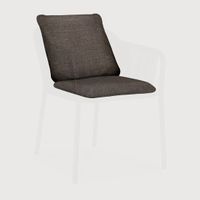
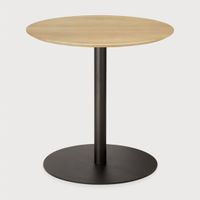
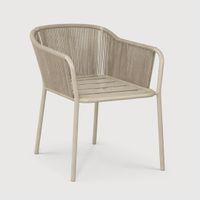
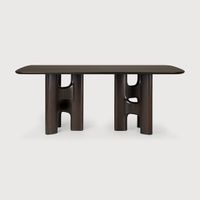
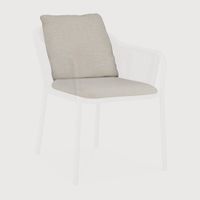
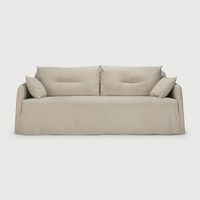
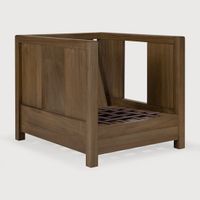
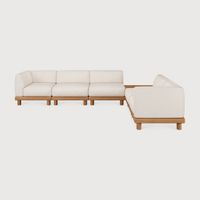
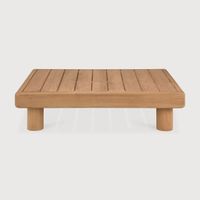
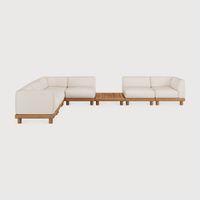
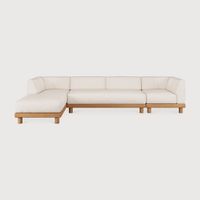
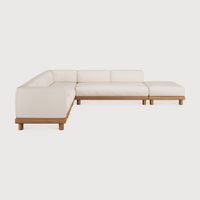










What Is Biophilic Design?
Biophilic design incorporates natural elements—materials, patterns, views, and living plants—into built environments. Research shows it reduces stress, improves mood, and enhances focus.
For hospitality, this translates to spaces where guests feel naturally comfortable, stay longer, and report higher satisfaction.
Stress Reduction
Natural materials lower cortisol levels compared to synthetic environments
Increased Dwell Time
Guests linger 15-20% longer in biophilic spaces
Higher Satisfaction
Nature-connected spaces score higher in guest surveys
Instagram Appeal
Living walls and natural materials drive social media engagement
Biophilic Furniture Elements
Natural Materials
Wood, stone, rattan, bamboo, cork, leather, linen, wool.
Organic Shapes
Curved forms, asymmetry, tree-like branching patterns.
Natural Colors
Earth tones, greens, sky blues, sunset warm tones.
Visible Grain/Texture
Show the natural character of materials. Don't hide imperfections.
Biophilic Material Options
Solid Wood
The most direct nature connection. Show grain and character.
Rattan/Wicker
Woven natural fibers with organic texture.
Natural Stone
Marble, granite, terrazzo for tables and surfaces.
Cork
Warm, sustainable, acoustic-friendly surface material.
Live Edge
Tables preserving natural tree edge shape.
Natural Textiles
Linen, cotton, wool upholstery with visible texture.
Implementation Tips
Layer Natural Elements
Combine wood furniture with stone surfaces, natural textiles, and plants.
Embrace Imperfection
Natural variation is the point. Avoid over-processed materials.
Connect to Views
Position seating to maximize natural light and outdoor views.
Add Living Elements
Plants near furniture groupings complete the biophilic effect.
Consider All Senses
Natural wood scent, textured surfaces, and visual patterns.
Frequently Asked Questions
Does biophilic design work in urban locations?
Absolutely—it's often more impactful where nature is scarce. Indoor plants and natural materials create urban oases.
Is biophilic furniture durable enough for commercial use?
Yes—solid wood, rattan, and stone are highly durable. Proper specification matters, but natural doesn't mean delicate.
How much does biophilic design add to costs?
Natural materials often cost similar to synthetics. Living elements (plants, walls) add maintenance costs.
Related Guides
Direct-from-Manufacturer vs Dealer: Sourcing Strategies for Hotel FF&E Projects
10 min read
Mid-Century Modern for Hospitality: Authentic Reproductions vs Contemporary Interpretations
9 min read
Hotel Lobby Furniture That Impresses: Balancing Durability with Luxury Aesthetics
10 min read
2025 Restaurant Furniture Trends: What Designers Are Specifying This Year
8 min read
Ready to Find the Right Products?
Search 350,000+ products from 1,900+ brands with AI-powered discovery.