Japandi Restaurant Design: Furniture Selection for the Minimalist Aesthetic
Japandi fuses Japanese wabi-sabi philosophy with Scandinavian hygge comfort. The result: warm minimalism perfect for modern restaurants.
Related Products
View All →
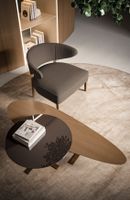
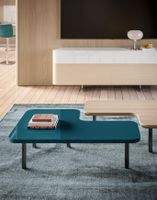
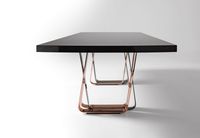
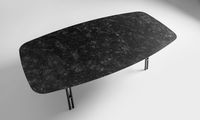
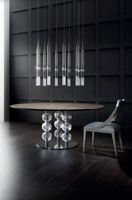
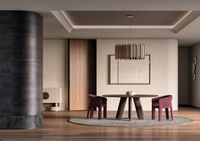
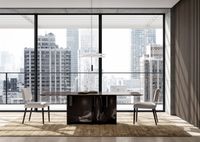
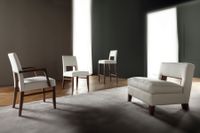









Understanding Japandi
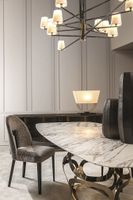
Japandi isn't just mixing Japanese and Scandinavian furniture. It's embracing shared values: respect for natural materials, craftsmanship, functional beauty, and quiet sophistication.
For restaurants, Japandi creates spaces that feel both calming and warm—ideal for focusing on food, conversation, and mindful dining.
Material Focus
Natural wood, stone, ceramic, linen, wool
Color Palette
Neutrals, earth tones, muted greens, charcoal
Aesthetic
Quiet luxury, visible craftsmanship, organic forms
Philosophy
Less but better, beauty in imperfection, harmony with nature
Japandi Furniture Characteristics
Natural Wood
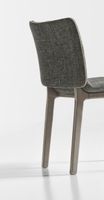
Light oak, ash, beech, or walnut. Visible grain. Minimal or matte finish.
Low Profiles
Lower seat heights and closer-to-ground tables than Western norm.
Organic Lines
Gentle curves rather than hard angles. Tapered legs.
Negative Space
Furniture that doesn't fill the space. Breathing room.
Key Furniture Pieces
Spindle-Back Chairs
Classic Scandinavian form with Japanese-influenced proportions.
Low Benches
Wooden benches along walls echo Japanese seating tradition.
Round Tables
Promote intimacy and soften rectangular rooms.
Ceramic Accessories
Handmade pottery, irregular shapes, natural glazes.
Color Palette Guide
Warm Whites
Off-white, cream, oyster. Never stark white.
Natural Wood Tones
Light oak to warm walnut. Never orange-y or red-toned.
Earth Tones
Taupe, sand, mushroom, clay.
Accent Colors
Muted sage green, indigo, charcoal. Sparingly used.
Black Details
Subtle black in hardware, frames, light fixtures.
Design Tips
Edit Ruthlessly
If in doubt, remove it. Japandi is defined by what's NOT there.
Show the Craftsmanship
Visible joinery, hand-finished surfaces, artisan details.
Embrace Imperfection
Wabi-sabi accepts natural variations. Machine-perfect looks wrong.
Layer Textures
Without color variety, texture provides interest. Mix smooth and rough.
Mind Proportions
Furniture should feel grounded, not tall. Lower than typical Western furniture.
Frequently Asked Questions
Is Japandi appropriate for all restaurant concepts?
Best suited for fine dining, cafés, breakfast spots, and Japanese/Nordic cuisine. Less fitting for high-energy bars or family restaurants.
Where can I source authentic Japandi furniture?
Danish manufacturers (Carl Hansen, Fredericia), Japanese brands (Maruni, Karimoku), or European brands interpreting the style.
Is Japandi furniture expensive?
Quality Japandi pieces command premium prices due to materials and craftsmanship. Budget €200-400+ per chair for authentic pieces.
Related Guides
Mid-Century Modern for Hospitality: Authentic Reproductions vs Contemporary Interpretations
9 min read
How to Furnish a 50-Seat Restaurant Under €15,000: A Complete FF&E Budget Guide
12 min read
Contract vs Residential Furniture: Why Your Restaurant Needs Commercial-Grade Seating
8 min read
Lead Times Explained: How Long Does Custom Restaurant Furniture Really Take?
7 min read
Ready to Find the Right Products?
Search 350,000+ products from 1,900+ brands with AI-powered discovery.