Guéridon by Vitra


Key details
| Brand | Vitra |
|---|---|
| Category | Table |
| Size | Small |
Description
Frequently Asked Questions
Is the Guéridon suitable for commercial projects?
Yes, the Guéridon by Vitra is suitable for both residential and commercial interiors. It is commonly specified by interior designers and architects for hospitality, office, and retail environments.
Can the Guéridon be used outdoors?
The Guéridon is designed for indoor use only.
Specifications
| Indoor / Outdoor | Indoor |
|---|---|
| Durability | Residential |
| Size | Small |
| Brand | Vitra |
| Category | Table |
Downloads
Scroll for 11 more
More Table by Vitra
Wooden Doll No. 2
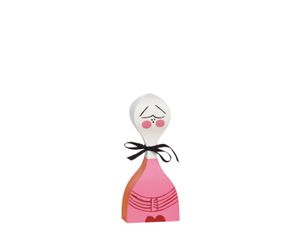
Vitra > Styling
Alexander Girard originally created the Wooden Dolls (1952), a whimsical assortment of figures both joyful and grim, for his own home. Today they add a charming touch to any interior.
ID Visitor Air
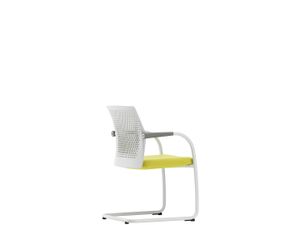
Vitra > Chair
Antonio Citterio collaborated with Vitra to develop different versions of the ID Visitor chair, perfectly coordinated with the ID Chair Concept. Thanks to an understated design, they can be combined with almost any office chair and integrated in a wide variety of work environments.<br/><br/>ID Visitor Air has a particularly light and graceful appearance thanks to its slender plastic backrest. The perforated back allows for flexible movement and good air circulation, while offering targeted support. The seat padding is optionally available in a more sustainable PU-free version, and the cantilever base is stackable.<br/>
Eames Storage Unit ESU, Bookcase
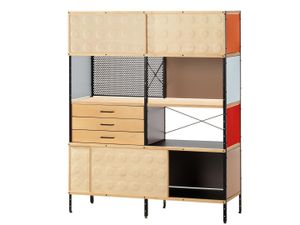
Vitra > Cabinet
The ESU Bookcase is four units high. Fitted with drawers and sliding doors, it provides plenty of practical storage space.
Girard Ornaments - Angel
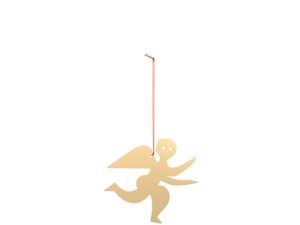
Vitra > Styling
The range of motifs does not limit the use of Ornaments by Alexander Girard to seasonal occasions but a number of them are perfect, for example, for Christmas time.
Grand Sofà 3½-Seater
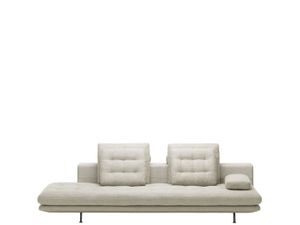
Vitra > Sofa
Grand Sofà (2017) is Antonio Citterio's interpretation of luxurious comfort and contemporary design. The designer's Italian flair for lightness and elegance is united with the trademark quality and precision of the Swiss company Vitra.
Tabouret Bois
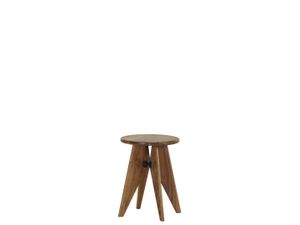
Vitra > Stool
Tabouret Bois bears the unmistakable signature of Jean Prouvé, reflecting an aesthetic based on structural requirements. The sturdy stool is available in natural oak, dark oak or American walnut.
APC
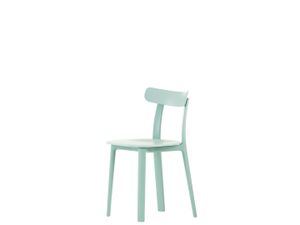
Vitra > Chair
Designed by Jasper Morrison, the APC is reminiscent of classic wooden chairs while advancing the appearance and functionality of this typology. The graceful chair combines great stability with excellent comfort; its backrest is attached to the frame with resilient connectors that allow it to flex in response to the sitter's movements. The APC comes in a choice of two-tone colours and is suited for both indoor and outdoor use.
Joyn 2 Platform
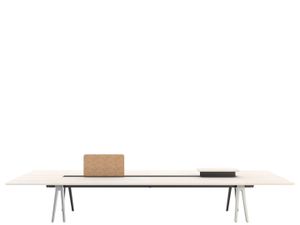
Vitra > Table
The Joyn 2 Platform serves as a basis for teamwork, and despite just four legs allows table lengths of up to 6.4 metres for 8 to 10 regular workspaces – with maximum legroom, easily accessible power and data options and diverse accessories for personalisation. The platforms emphasise the horizontal – only the accessories rise above the table surface.<br/> <br/>Joyn 2 Platform is modular in design and easy to reconfigure in diverse formats. The table tops are available in three versions: as one-piece tops, as tops with a gap in the middle for easy access to power and data connections, and as a version with a technical rail – in the latter two versions, accessories can be fitted individually and repositioned as required. End table tops measuring 80 cm in depth add an additional fully-fledged workstation at either end of the table. Joyn 2 Platform can be adjusted from 74 to 82 cm in height.<br/>
Ampi
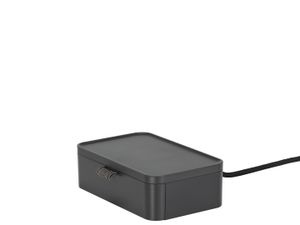
Vitra > Styling
Ampi serves as a wireless charger and offers the necessary power connections to transform any table into a workstation quickly and easily – whether at home or in the office.
Akari YP1
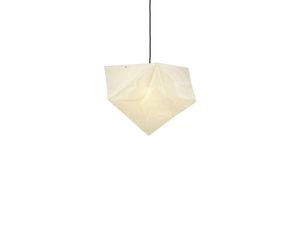
Vitra > Styling
The Akari Light Sculptures (1951) by Isamu Noguchi are a series of luminaires, handcrafted from traditional washi paper by Japanese artisans. ‘The harshness of electricity is thus transformed through the magic of paper back to the light of our origin – the sun.’ (Noguchi)
Belleville Armchair Wood
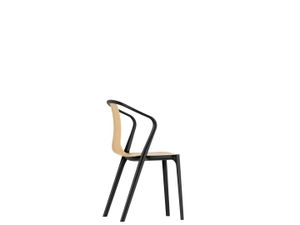
Vitra > Armchair
The contrasting materials of the moulded plywood veneer seat shell and slender black plastic frame constitute a characteristic feature of the Belleville Armchair. Its elegant armrests are an integral part of the curved structural frame and offer excellent comfort. The Belleville Armchair is also available with a plastic seat shell or with a cover in leather or fabric.
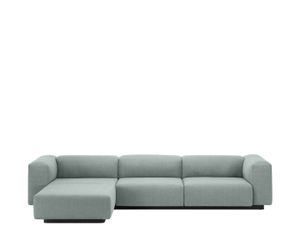
Soft Modular Sofa Three-seater, Chaise Longue
Vitra > Sofa
With carefully balanced proportions, great comfort and a conscious renunciation of decorative details, the Soft Modular Sofa (2016) by Jasper Morrison unites the characteristics of a modular lounge sofa in its purest form.
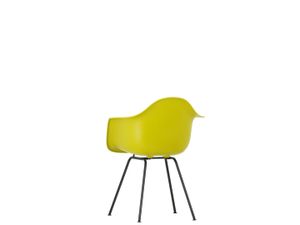
Eames Plastic Armchair DAX
Vitra > Armchair
The Plastic Chairs by Charles and Ray Eames were the very first chairs to be developed out of plastic for industrial production. Their organically shaped seat shells can be combined with a variety of different bases. The DAX chair (Dining Height Armchair X-Base) has a visually understated four-legged tubular steel base, which comes in a powder-coated version that is also suited for outdoor applications.
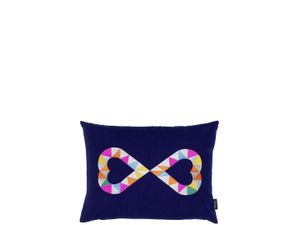
Embroidered Pillows - Double Heart 2, blue
Vitra > Accessories
The designer Alexander Girard drew wide acclaim with his interior concept for the legendary Miller House (1953-57), for which he personally selected each individual object. The centrepiece of the house was a so-called 'conversation pit', a sunken seating area in the living room, with built-in sofas covered in fabrics by Girard and decorated with embroidered pillows made specifically for this setting. <br/><br/>Girard's famous 'double heart' motif was used and varied by the designer throughout his lifetime. It is composed of two intersecting S's that form a continuous loop of mirrored hearts. Each S represents the first letter of the pet names used by Girard and his wife – Sandro and Susie – which prompted him to name the double heart symbol '<a href="/en-me/magazine/details/sansusi">Sansusi</a>'.<br/><br/>The embroidered pillow with the 'Double Heart 2' motif was created by Alexander Girard for the Miller family in 1975 – 20 years after the completion of the Miller House.<br/>
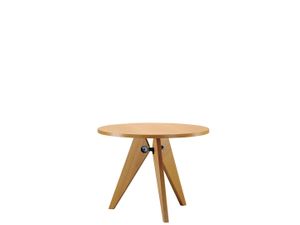
Guéridon
Vitra > Table
French designer and engineer Jean Prouvé created the round, wooden Guéridon table for the University of Paris in 1949. It comes in two different sizes and various types of high-quality wood.
Girard Ornaments - Rabbit
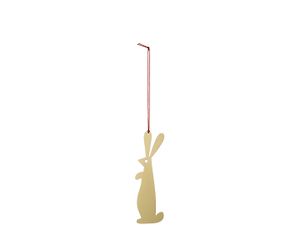
Vitra > Styling
The range of motifs does not limit the use of Ornaments by Alexander Girard to seasonal occasions but a number of them are perfect, for example, for Christmas time.

Wall Clocks - Sunflower Clock
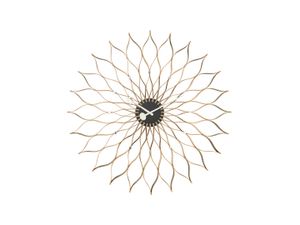
Vitra > Styling
With his collection of Wall Clocks (1949-1960), George Nelson conceived a wide array of timepieces, many of which have since become icons of 1950s design.
Resting Bird
Vitra > Styling
Numerous works by the creative duo Front are devoted to the systematic observation of sleeping or hibernating animals. This fascination inspired their design of a group of slumbering creatures – Resting Animals – whose poses exude a serene tranquillity. The Resting Birds are ornamental ceramic figures in two different sizes. Their peaceful presence goes beyond the decorative to communicate a deep sense of contentment.
Plywood Group DCW
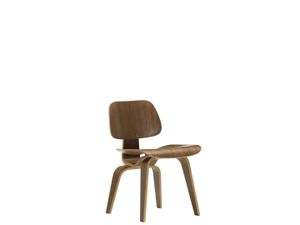
Vitra > Chair
The DCW (Dining Chair Wood) bears witness to the ultimate success of Charles and Ray Eames' early experiments with moulding plywood into complex shapes. Made entirely of wood, the appearance of this iconic chair remains as contemporary today as when it was first conceived.
Plywood Group LCM
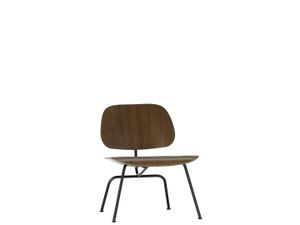
Vitra > Chair
Due to the slender organic shapes of its seat and back shells, the LCM (Lounge Chair Metal) by Charles and Ray Eames quickly acquired the nickname 'potato chip chair'.
Akari 10A
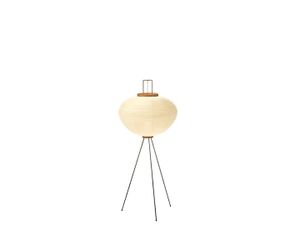
Vitra > Styling
The Akari Light Sculptures (1951) by Isamu Noguchi are a series of luminaires, handcrafted from traditional washi paper by Japanese artisans. ‘The harshness of electricity is thus transformed through the magic of paper back to the light of our origin – the sun.’ (Noguchi)
Eames Fiberglass Armchair LAR
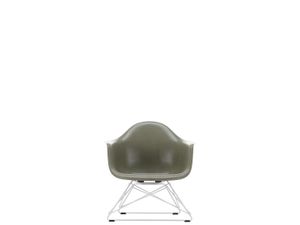
Vitra > Armchair
The Shell Chairs by Charles and Ray Eames are among the most important designs in the history of furniture. Following their initial presentation at the 'Low Cost Furniture Design' competition organised by the Museum of Modern Art in 1948, the chairs were launched on the market in 1950 in an armchair version (A-shell) and as a simpler side chair (S-shell) – making them the first ever mass-produced chairs made of plastic. <br/><br/>With the debut of this revolutionary design, Charles and Ray Eames introduced a new furniture typology that has since spread around the globe: the multifunctional chair whose shell can be joined with a variety of different bases. Already in 1950, they presented a series of bases that enabled various sitting positions, including the low-slung LAR (Lounge Height Armchair Rod Base) with a geometric steel wire base, which quickly acquired the charming nickname 'Cat's Cradle' in reference to the children's string game. <br/><br/>The LAR seems to have been one of Charles and Ray's favourite designs: it can be spotted in numerous vintage photographs of the legendary Eames House in Pacific Palisades, both indoors and out. This also reveals how lightweight the chair is, and how easily it can be moved around.<br/><br/>Due to the organic shape of this classic armchair, the LAR is a striking solo piece, but it can also be paired with many types of sofas to create an appealing contrast. The LAR is offered as the Plastic Chair LAR with a polypropylene shell, or as the Fiberglass Chair LAR with a fibreglass shell that draws attention to the lively texture so valued by connoisseurs. The fascination of fibreglass lies in its irregular surface, whose clearly visible fibres make it appear almost like a natural material. The Fiberglass Chair LAR is not offered with full upholstery in order to show off the unique characteristics of this material to maximum effect. However, a comfortable seat cushion is optionally available.
Desk Clock - Cone Base Clock
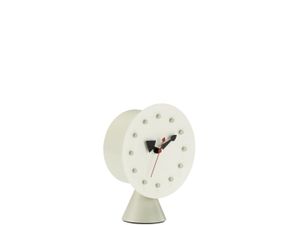
Vitra > Styling
The many accessories created for the home by George Nelson include a variety of table clocks. Representing a selection of these classic designs, the Desk Clocks offer a refreshing alternative to conventional clocks. Equipped with high-quality quartz movements, the charm of these decorative timepieces is equalled by their precision.
Elephant Stool
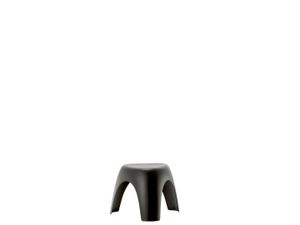
Vitra > Stool
As one of the most famous objects of Japanese post-war design, the Elephant Stool was created by the prolific product designer Sori Yanagi. The stackable plastic stool can be used both indoors and outside.
Suita Club Sofa
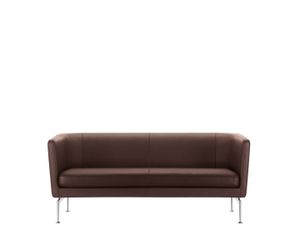
Vitra > Sofa
The Suita Club Sofa was developed for use in offices, waiting areas and lobbies. The construction and workmanship are designed to withstand the demanding conditions of such public areas. The upholstery of the backrest ensures a high degree of comfort without the need for additional cushions.
Eames Plastic Armchair DAL
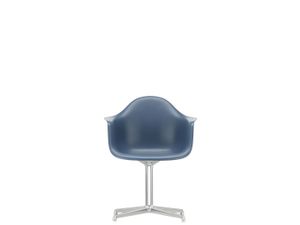
Vitra > Armchair
The seat shells of the Eames Plastic Chairs can be combined with a variety of different bases. The base for the DAL chair (Dining Height Armchair La Fonda Base) was developed by Charles and Ray Eames in 1961 for the legendary New York restaurant La Fonda del Sol, whose interior was designed by their friend Alexander Girard. With its central pedestal consisting of four parallel shafts that split at the bottom to form a four-star base, it is one of the most elegant and unconventional bases ever designed by the Eameses.
Zoo Timers - Fernando the Fish
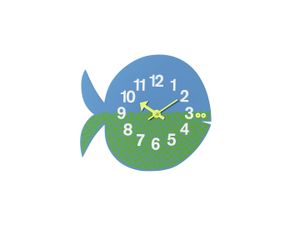
Vitra > Styling
The Zoo Timers (1965) by George Nelson – wall clocks in the form of colourfully hand-drawn characters from the animal kingdom – offer children a playful and enjoyable approach to telling the time.
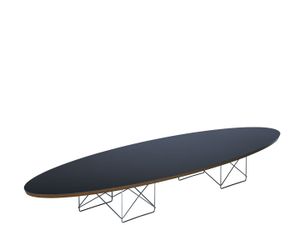
Elliptical Table ETR
Vitra > Table
The expansive, elegant ETR sofa table by Charles and Ray Eames comes with tops in a choice of black or white and a wire base with a chrome-plated or black powder-coated finish. On account of its elliptical shape, it quickly acquired the nickname 'surfboard table'.
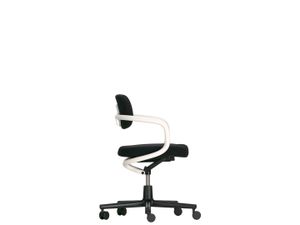
Allstar
Vitra > Office Chair
The Allstar office chair by Konstantin Grcic imparts a relaxed home-like feel and sense of familiarity. Its rounded form exudes comfort and yields a calming influence on the fast-paced dynamic of today's offices. Allstar also satisfies all the necessary functions of a task chair, allowing it to be used wherever high functional performance is desired but a classic office chair would not be appropriate for aesthetic reasons – an especially ideal choice for modern workplace concepts.
Heart Cone Chair

Vitra > Chair
The Heart Cone Chair takes its name from the expressive, heart-shaped silhouette of its seat shell. Designed by Verner Panton in the late 1950s, the chair combines a comfortably upholstered seat with an understated, elegant base made of satin stainless steel.
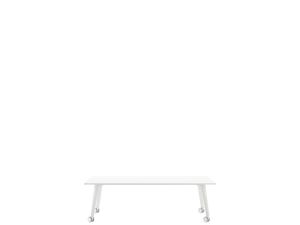
Joyn 2 Meet
Vitra > Table
Joyn 2 Meet offers meeting tables ranging from 120 x 80 cm to 900 x 180 cm. The base can be configured in diverse shapes and sizes for sitting or standing-height tables – on either glides or castors. Furniture on castors promotes dynamic work methods in the office, while variants with glides enable electrification cables to be concealed in the table legs.
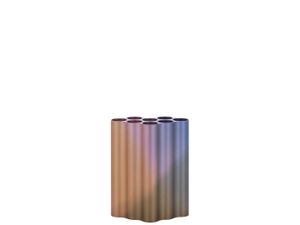
Nuage
Vitra > Styling
The Nuage vases produce an attractive interplay of light and shadow with their undulating shape and anodised aluminium finish in various colours. Flowers and grasses can be arranged in each cluster of eight individual tubes, and thanks to their precise outer contours, the vases can also be fitted together to create entire 'cloud formations'.
Organic Chair
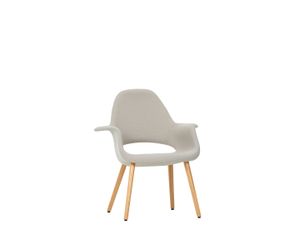
Vitra > Chair
Charles Eames and Eero Saarinen created the Organic Chair in 1940 as part of their entry for 'Organic Design in Home Furnishings', a competition organised by the Museum of Modern Art in New York. The small reading chair offers superb comfort, thanks to its comfortably upholstered, biomorphically shaped seat shell, and is also available in a version with a higher backrest: Organic Highback.
Wall Clocks - Sunburst Clock
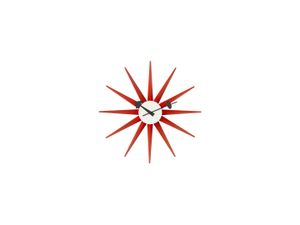
Vitra > Styling
With his collection of Wall Clocks (1949-1960), George Nelson conceived a wide array of timepieces, many of which have since become icons of 1950s design.
Amoebe
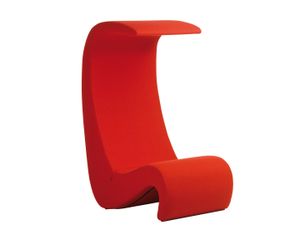
Vitra > Chair
With its curving shapes and vivid colours, the Amoebe chair (1970) by Verner Panton embodies the exuberant spirit of the early 1970s. It is also available with an overhanging backrest under the name Amoebe Highback.
HAL Lounge Ottoman

Vitra > Pouf
The compact HAL Lounge Chair (2021) is Jasper Morrison's reinterpretation of the softly upholstered four-legged armchair with a high backrest.
ID Soft L
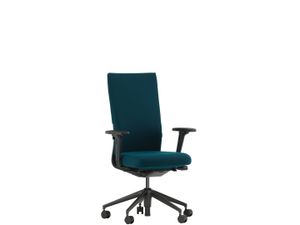
Vitra > Chair
The high backrest of ID Soft L comes with padded upholstery for excellent comfort. Although the chair exudes elegant sophistication, its sleek lines and minimal design also lend it an understated character. ID Soft L can be harmoniously combined with other chairs and is a perfect addition to many different settings.
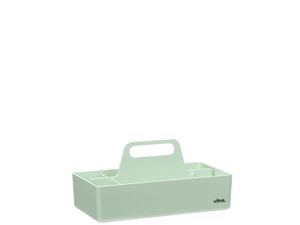
Toolbox
Vitra > Styling
The Toolbox by Arik Levy is designed as a practical organisational utensil for storing accessories and small items. Thanks to its handy size, it can be easily stowed in a cabinet or on a shelf, and it takes up little room on a table. The Toolbox is available in a selection of different colours.
Recently Viewed Products
Dipping Light

Marset > Ceiling lamp
The Dipping Light is more than just a lamp; it inspires emotions. On, it is mesmerizing: its different shades of paint filter the light creating a magical ambience. Off, it transforms into a multi-coloured glass sphere, with a strong aesthetic impact.The Dipping Light started out as an experiment – dipping a switched-on light bulb in paint several times – but it became a lamp. The result is layers of colour painted in concentric circles which trap the light, attenuating its intensity. The paint acts as a shade, colouring the light and giving it texture. This artisanal process involved makes each lamp unique and exclusive. The pendant version of the Dipping Light sheds all unnecessary elements and retains only what is essential: colour takes centre stage. When using several lamps to make a composition, the visual effect is mesmerising. It is available in four different diameters: 12 cm, 20 cm, 30 cm and a new diameter of 40 cm. When this bigger bulb is switched on, it simply demands attention: colour is the message. Its size exudes so much strength and visual aesthetic that it can fill any space, bathing the room in colour. A cluster accessory is also available for the 12-, 20- and 30-cm pendant Dipping Light, allowing you to connect several pendant lamps at once to a single point of light. This offers the freedom to build with light, to illuminate large spaces and to create compositions.
Guéridon
Vitra > Table
French designer and engineer Jean Prouvé created the round, wooden Guéridon table for the University of Paris in 1949. It comes in two different sizes and various types of high-quality wood.
Elephant Stool
Vitra > Stool
As one of the most famous objects of Japanese post-war design, the Elephant Stool was created by the prolific product designer Sori Yanagi. The stackable plastic stool can be used both indoors and outside.
Pendula Square EcoSUND®
Gotessons > Styling
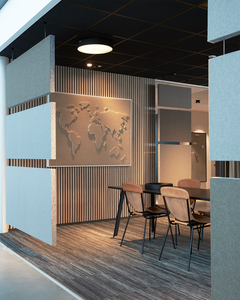
Pendula is an updated version of Effekt Pendent. The panels come in two widths and are made in our sound absorbing core material EcoSUND. Can be mounted solitaire on the ceiling or built vertically as a room divider. An effective way to improve acoustics in a room without changing existing installations such as ventilation, cables, lamps etc. The product needs to be mounted with the Pendula distance package and with an optional ceiling bracket, which is ordered separately.Two widths 800 and 1600 mm. Thickness 50 mm. Several heights 400, 600, 800 and 1200 mm. Choose in raw EcoSUND in several colours or dress in textile Hush. Hang wires for connection, purchased separately. Wire hooks to create air gap, purchased separately. Distance hanging from a T24 clip the distance between roof and first absorbent is 141 mm. Distance between panels is 100 or 400 mm with distance package. Pendula Ceiling/Room Divider Vertical hanging sound absorbant for ceilings, made from EcoSUND. Mounting: Optional ceiling mount and distance package with pins and hooks. Total thickness: 50 mm. Width: Choose between 800 mm or 1600 mm. Height: Choose between 400, 600, 800 or 1200 mm. Available dressed at one or both sides in Hush or raw. E.g. 567 (67046). Edge in raw: black, white, grey, light grey. Certificate (valid 2019-06-03): ISO 354 Absorption and SS 25269 N10 1200x900 = 6 For updated information, see: https://gotessons.com/en/products/absorbents-ceiling/pendula
Cobogo 12 pcs

Gotessons > Styling
Create shielding between different workplaces and surfaces or a room in the room. Made from mould pressed felt, choose from several different colours.Mould pressed felt made of at least 55% recycled PET. Available in 9 different colours: Gravel, slate, pine, moss, plum, cherry, cyan, ivory, hemp. Available for purchase in 3- or 12-packs.Cobogo Vertical hanging panels for ceilings made of moulded felt. Mounting: Assemble the panels with the included black rivets. Spare part coupling section 10-pack: 121217-2 For suspension in T24 supports: 642041-1 / 642041-2, purchased separately. For hanging from ceilings without supporting structures: 121215-1 or swing from ceiling bracket with wire: 20572, purchased separately. For wall mounting: 121216-2, purchased separately. Thickness: 5 mm. Dimensions: B. 372 H. 372 mm
Scribble writing board

Gotessons > Styling
Attach the stylish and practical writing board on the wall and use for all kind of meetings and information. The board’s front is made of hardened tempered glass with a plate of sheet metal on the back, making it possible to both write on the glass and attach papers with magnets. The board appears 30 mm from the wall when mounted.Front: hardened safety glass. Colours: White, Sand, Mist. Back: sheet metal. Concealed wall mounting included. Pen shelf is purchased separately. Accessory kit is purchased separately. Available as mounted on floor screen. Dimensions WxH 990x990, 1590x990, 990x1590 and 250x250.SCRIBBLE WRITING BOARD WALL Magnetic glass whiteboard with hidden wall hanging. Colour: White, Sand, Mist. Dimensions WxH 990x990, 1590x990, 990x1590 and 250x250 Optional: Pencil shelf in sheet metal, color white or silver, Pencil shelf, eraser and magnets in solid ash. For updated information: https://www.gotessons.com/en/products/whiteboard-notice-board/Scribble-writing-board-wall
Silent Express
Gotessons > Styling
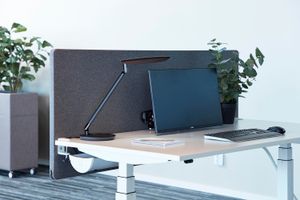
Silent Express is built with a 30 mm sound absorbent. The screen is dressed in the unlaminated textile Cool with a seam like textile. Silent Express is a stocked screen.Built with a wood frame and 30 mm sound absorbent. Dressed in unlaminated textil Cool. Total thickness 32 mm. Seam like textile. Stocked screen. Accessories can not be hung on the screen. Must be mounted with mounts, purchase separately.SILENT EXPRESS Soundabsorbing desk screen built with wood frame, filled with 30 mm sound absorbent. Dressed with textile Cool: Colour: Thickness 32 mm Measurements: choose below, Height: 450 mm above desk* Rounded corners, radius 35 https://gotessons.com/en/products/desk-screens/silent-express _____________________________________ H: 650 with W: 800 || 1400 || 1600 || 1800 Height 650 mm (450 above desk) *with clamp set and 20 mm desk
Similar Table for Commercial Interiors
70/70 Table

Muuto > Table
The 70/70 Table is designed with a simple expression, paired with subtle, understated details that reveal themselves upon closer inspection. Adding character to the design, the details of the 70/70 Table include the triangular shape of its base for a modern expression and the slanted edges of the table top. Available in a variety of sizes and finishes, the 70/70 Table is an ideal match for any dining area, home office, workplace or hospitality area.
Workshop Table

Muuto > Table
The Workshop Table joins together the ideals of Scandinavian craftsmanship and subtle detailing for a deliberately simple and archetypal expression. With its tabletop in either oak veneer or linoleum harmoniously carving itself into the solid oak frame, the Workshop Table brings a refined and understated appearance to any setting.
Base Table
Muuto > Table
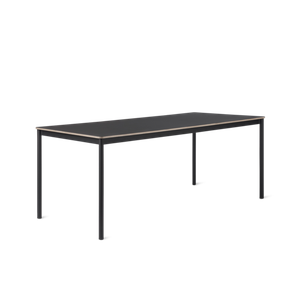
The Base Table references the heritage of Scandinavian design through its simple frame and subtle details. With its design harking back to the essence of a table, the Base Table features a veneer edge for a touch of Scandinavian materiality, paired with the elegant shapes of its table top and frame. Use the design in any home, workplace, educational institution or hospitality space for notes of Scandinavian simplicity.
Base High Table

Muuto > Table
The Base High Table references the heritage of Scandinavian design through its simple frame and subtle details. With its design harking back to the essence of a table, the Base High Table comes with either a veneer edge for a touch of Scandinavian materiality or an edge in ABS for a monochrome appearance, paired with the elegant shapes of its table top and frame. Use the design in any workplace, educational institution or hospitality space for notes of Scandinavian simplicity.
Linear System Configurations

Muuto > Table
The Linear System Table is a simple yet refined table with subtle details and references to the Scandinavian design heritage. Its legs are cut into half-circles and joined with the table for a light expression while the slender overhang at both ends of the table makes for a refined expression. The Linear System Table is available as a freestanding table to be used on its own, as predesigned configurations or as Middle and End Modules that can be configured to the exact needs of your space.
Base Table With Castors

Muuto > Table
Simple and elegant lines, joined by the functionality of castors. Frame is made from extruded aluminum, painted with an acrylic paint initially developed for outdoor interiors and building facades. Organize and manage cords and wires with our Cable Management. Our Power Outlet can be added to the Base Table. Made-to-order: Laminate with ABS or plywood edge in black or white. Linoleum with plywood edge in black. Nanolaminate finish in either black or white. Bases available in Black or White with matching castors.
Toveri Dining

Leolux > Table
Studio Truly Truly has designed a wonderfully luxurious dining table to join the Toveri family by Leolux. Just like the coffee tables, the Toveri dining table is an interplay of soft shapes and hard materials, shadows and curves.
Bondi

Leolux > Table
Leolux was looking for something new, a table that adds a pop of colour to the interior. Bondi is the perfect answer. Its unusual organic leaf shape is the first thing to stand out, with space for at least five users.
Columna

Leolux > Table
Columna is a table built on pure form, with the base and table top connected by a straight column. The only playful element Hugo de Ruiter allowed is the way the column links to the base: like an ancient marble column.
Minima Round Twin Adjustable Matt Black

Astro > Table
This modern recessed light features a sleek design with adjustable dual light sources, ideal for office and hallway applications. Crafted from durable metal with a matte finish, it offers a sophisticated and functional lighting solution for contemporary interiors.
Blanco Twin Adjustable Plaster

Astro > Table
This minimalist recessed light fixture features a sleek design with adjustable dual light sources, perfect for modern office environments. Crafted from durable metal with a matte finish, it seamlessly integrates into any ceiling for a clean and unobtrusive look.
Viscount of wood rectangular

Kartell > Table
VISCOUNT OF WOOD tables are the latest addition. These naturally composed tables complement the collection's choice of seats and create a sustainable living area in which wood plays a central role thanks to its lightweight properties. These large items of furniture feature top-quality materials and advanced manufacturing technology. The square and rectangular versions with four legs come in five sizes (100x100, 145x80, 160x90, 190x90 and 240x100) and three top finishes: light ash with two darker shades, flamed walnut and a third, characterised by thin strips of different tones of dark wood. The legs are in chrome or black.
Glossy marble oval

Kartell > Table
A family of tables ideal for the home and office. The light steel structure is made particular by the use of the cross element that joins the legs on each of the four sides, supporting the top. The collection comprises square, oval and round versions.
Pavilion AV18

&tradition > Table
Available in three sizes, the larger, six or eight-person Pavilion table is ideal for an office meeting room or dining space while the smaller, four-person version is a perfect addition to the home. The table can be matched with the Pavilion desk to provide a cohesive design experience, and cable management can be easily inserted into the table due to the location of the stretcher.
Pavilion AV24
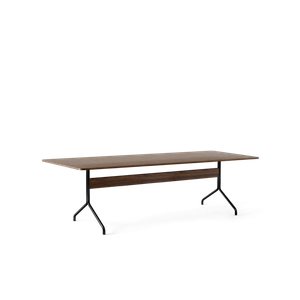
&tradition > Table
Available in three sizes, the larger, six or eight-person Pavilion table is ideal for an office meeting room or dining space while the smaller, four-person version is a perfect addition to the home. The table can be matched with the Pavilion desk to provide a cohesive design experience, and cable management can be easily inserted into the table due to the location of the stretcher.
In Between SK4

&tradition > Table
Inspired by the Scandinavian heritage of design and furniture craftmanship, In Between is a result of Sami Kallio’s solid grounding in traditional wood- working techniques and his eye for ingenious detail. It started with a single chair which later resulted in a series of furniture including both tables and bar stools. Get this In Between dining table in three different variants.
TEAM Wood high table

Gispen > Table
Holding a meeting, conferring, completing a task: TEAM does it all. The basic principle of the TEAM table system is that it supports various work methods and comes in many shapes and sizes. Mix and match the various components to design the perfect table for any type of space.
CPH Table CPH 10

Hay > Table
Featuring the same understated expression and focus on functionality as the rest of the series the CPH10 has symmetrical legs with a more generous tabletop creating a larger workspace and greater flexibility. The oak frame is available in different finishes and the tabletop comes in a variety of wood or linoleum options that make it suitable for using in a wide range of corporate and public contexts.
Add to Project
Create New Project
Your Projects
Loading projects...