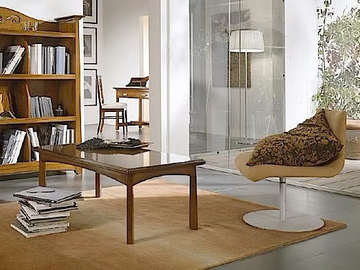
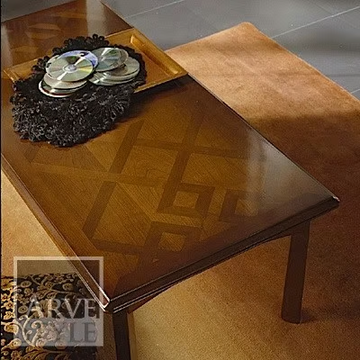
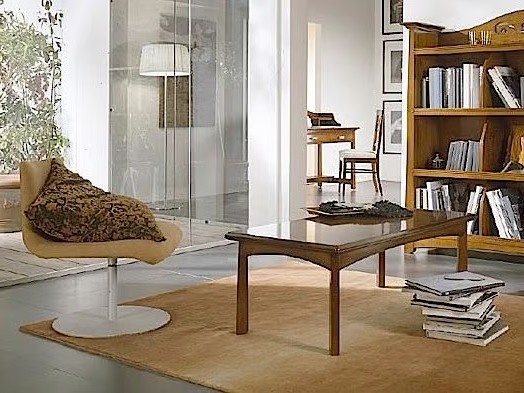
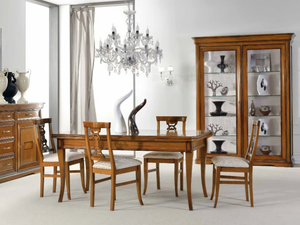
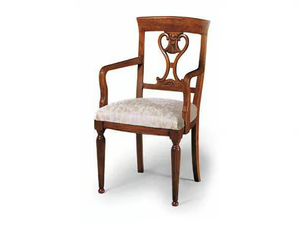
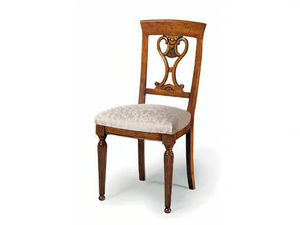
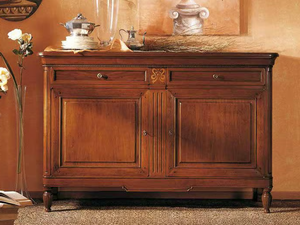
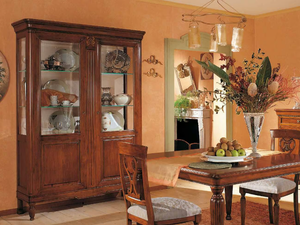
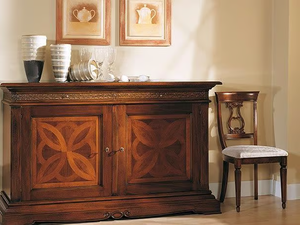
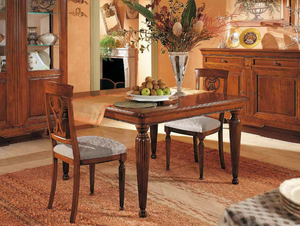
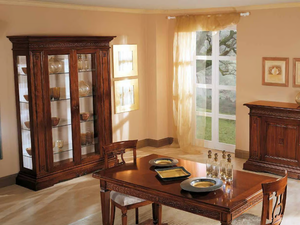
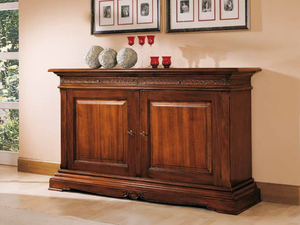
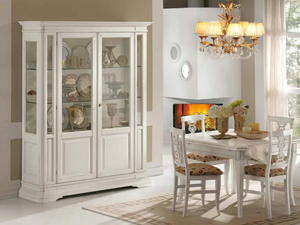
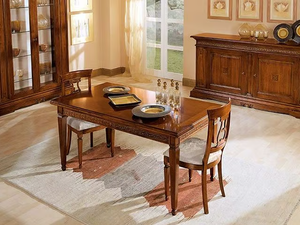
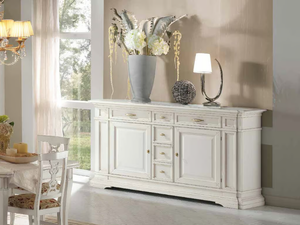
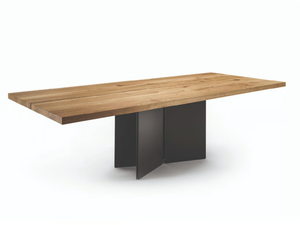
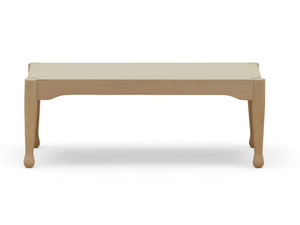
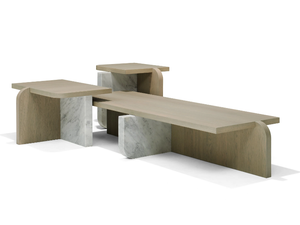
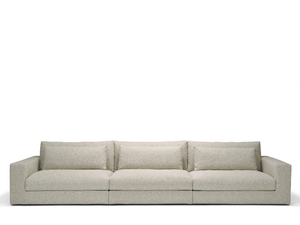
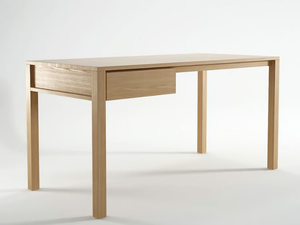
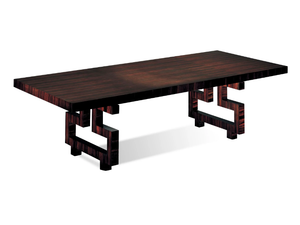
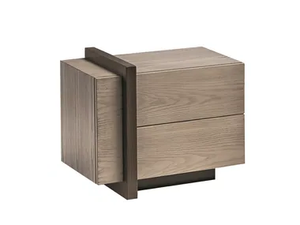
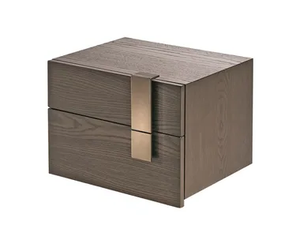
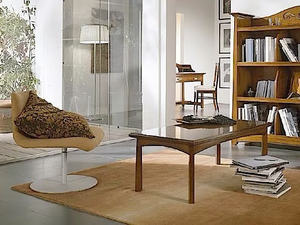
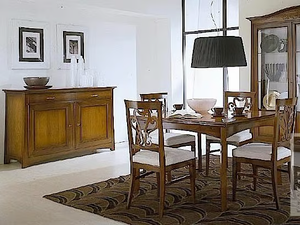
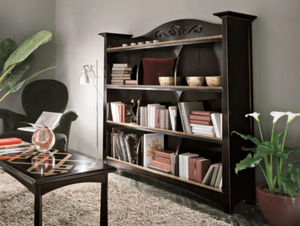
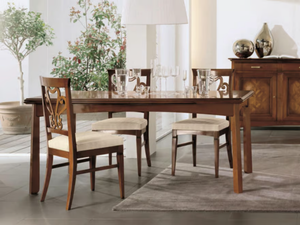
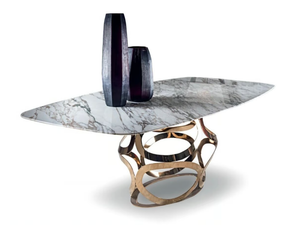
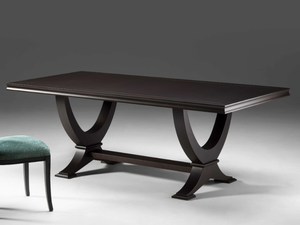
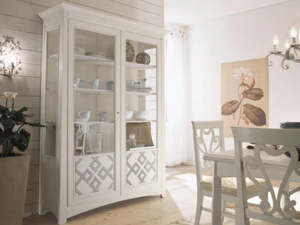
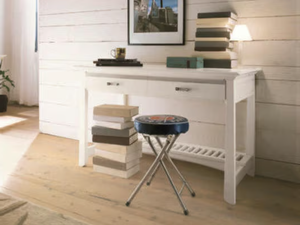
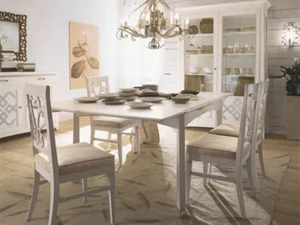
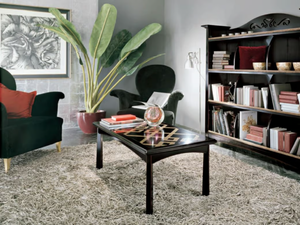
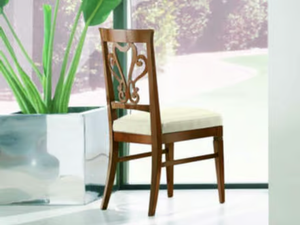
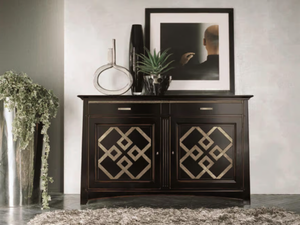
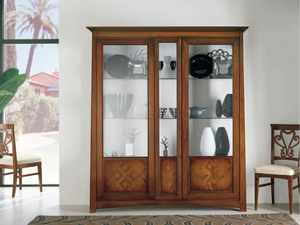
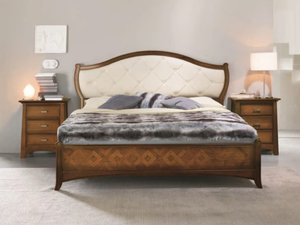
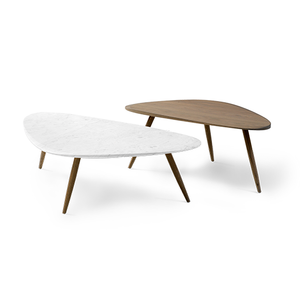
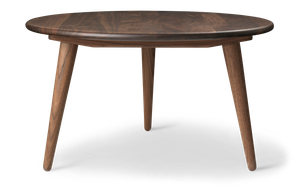
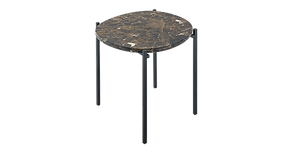
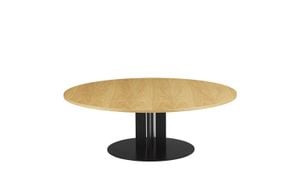
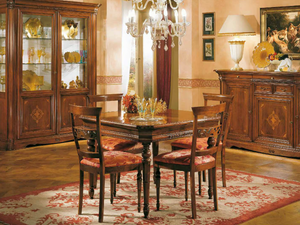
What materials is the NAIMA - Rectangular solid wood coffee table made from?
The NAIMA - Rectangular solid wood coffee table is crafted from Wood. It is manufactured by Arvestyle.
Is the NAIMA - Rectangular solid wood coffee table suitable for commercial projects?
Yes, the NAIMA - Rectangular solid wood coffee table by Arvestyle is suitable for both residential and commercial interiors. It is commonly specified by interior designers and architects for hospitality, office, and retail environments.
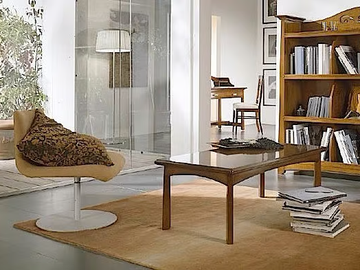
What collection does the NAIMA - Rectangular solid wood coffee table belong to?
The NAIMA - Rectangular solid wood coffee table is part of the Naima collection by Arvestyle.
Can the NAIMA - Rectangular solid wood coffee table be used outdoors?
The NAIMA - Rectangular solid wood coffee table is designed for indoor use only.
Showcasing an intriguing relationship between material and concept, the X lounge chair represents Hvidt & Mølgaard’s peak as furniture designers.
After experimenting for years with the concept of a laminated wooden frame inspired by old wooden tennis rackets, Danish design duo Hvidt & Mølgaard released X in 1959, a lounge chair with a distinctive sloping silhouette and understated aesthetic.
Space Copenhagen ́s Fly series signals a sculptural approach to design without sacrificing comfort. Referencing a classic Nordic aesthetic, details and techniques, seen in the slatted wood backrest, organic shapes and solid craftmanship. Fly is a series that allows the users to sit, lie, rest, and relax. Unlike many of the sofas and easy chairs in Scandinavian design history, Fly does not impose any particular posture onto the sitter. The seat itself is optimized for comfort, with loose cushions for the back that can be arranged according to the user’s own needs.
The BM3670 Dining Table was designed in the late 1960s by Danish furniture designer Børge Mogensen. A part of his Deck Chair Series, the simple, slatted lines and solid teak construction provide classic durable functionality in a range of outdoor spaces.
When designing the Trinidad Chair in 1993, Nanna Ditzel found inspiration in the elaborate fretwork from the Gingerbread Facades that she had seen in colonial architecture while travelling through Trinidad. Much like the facades, the cut-out fretwork of the chair triggers an interplay of light and shadows, creating a pattern projected into space and a subtle sense of motion.
The Zero armchair is built as a clean set of soft volumes, supported by a satin-finished metal structure in a platinum finish. The seat and back are made of extremely comfortable cushions covered in fabric. The outer shell of the armchair is covered in leather. The Zero armchair is available in different finishes as per sample book.
The smaller version of the Cesta lamp is defined by a smaller wooden structure, always carefully polished and strongly assembled, holding the small opal glass globe in which its light is wrapped. This design, an object-lamp that creates spaces of pleasure wherever it is located, is one of its author’s most widely publicised international icons.
With a structure supported by a circular metal base, the while linen shade of the TMD lamp looks like a sail hoisted on a mast. Whether switched on or off, the TMD manages to add warmth to the space around it. Another example of the timeless sobriety of Miguel Milá.
Skift Bar – a barstool in a compact design. Seat and backrest are separate, which gives freedom to choose materials. The distance between seat and backrest provides an open design and practical cleaning. All upholstered details have a frame made of environmentally friendly molded wood, which provides a long service life. Metal base, with slades.
Cushions are archetypal pieces of seating furniture, especially in Arab countries. With Jalis, they are raised to a European seating level and transformed into chairs. What looks like a cushion with a kink in it is in fact a complexly upholstered, stably built item of seating furniture relative of the eponymous Orient-inspired upholstered Jalis sofa. A pleasing contrast is provided by the seemingly delicate base construction.
A lexicon of colour shades for mixing. A large size and its submultiples. «This work represents a reflection on colour, and above all a proposal on how to transfer the multiplicity of shades typical of a hand-crafted piece into a project produced on a large scale.» Andrea Trimarchi & Simone Farresin Studio Formafantasma base their work in the design world on a strong vocation for research. Simone Farresin and Andrea Trimarchi view every project as an opportunity for study and the acquisition of new knowledge, and their love of speculation establishes a dialectic rapport with the situations offered by each new client. Whether it involves a material, a type or a production method, the first phase of their design process is the mapping of what the specific case places at their disposal. With Cedit, an analysis of the company's past and present was central to the inputs. Inevitably, since "Looking back to look forward" has been the design duo's mission statement for years. In this case, in particular, the company's history was a real treasure trove, a fine blend of memory and technology: on the one hand, the excellence of production technologies now extended with the added potential arising from the engineering of large-sized ceramic tiles, and on the other a wealth of experience build up with great designers of the past, from Zanuso to Noorda, through to <strong>Ettore Sottsass</strong>. Andrea and Simone decided to focus on Sottsass - who started designing for Cedit back in the late Seventies - and made an in-depth study of one of the colour charts he developed towards the end of the Nineties. A spread of colours which gave its name to the "41 Colors" collection, included in the catalogue of the period as a real alphabet for what has proved to be a lasting design language. Colour was much more than just a compulsory step in the dialogue between designer and producer, since Sottsass had already discovered the power of the mystery intrinsic to this universe of invention.<br /><br />With Cedit the master-designer, a long-established lover of ceramics and their crafted unpredictability, found a way of transferring his personal feeling for colour to a wide audience, through industrial mass production. And this assumption is another factor Formafantasma have inherited, interpreting it today with new, even more efficient technical resources just as capable of expressing the secrets of colour. «The concept of colour "in isolation" - Sottsass explained in a 1992 text - classified colour, Pantone, as they call it now, "scientific" colour, is something I still refuse to accept. (...) Colours, the idea of colour, are always intangible, they slip slowly away like words, that run through your fingers, like poetry, which you can never keep hold of, like a good story.» And Formafantasma seem to have chosen that distinction between colour "in isolation" and "intangible" yet ever-present colour as the basis of their work. However, their approach draws on their unique vocation for research and the technical resources of the third millennium. «This work - they explain to us - is a reflection on colour, and above all on <strong>how to bring the multiplicity of shades typical of a hand-crafted piece into a large-scale project</strong>.» The designers look at large, monochrome slabs and turn to the engineers for details of their secrets, their processing stages, the phases in their production. They appreciate that the colour of ceramic material, its ineffable secret, can still be present in the series and large tile sizes in which Cedit leads the way. They understand that this is, in itself, an expressive power which does not need channelling into forms, motifs and signs. But above all, they treat the surface as a large canvas on which they spread pure colour, which tends to be uniform but in fact is never really a "scientific", totally monochrome hue: it is not a Pantone. And this is the source of the fundamental insight, which only children of the transition from the analogue to the digital era could achieve, the reward for those who draw on the past to look to the future.<br /><br />The designers cut the slab into lots of regular pieces, not necessarily of the same size. They restore its identity as a "tile", a familiar name with something ancient about it, but which stands for a module, a unit of measurement, a building block. There is nothing nostalgic about this - on the contrary, the vision is completely new, and the portions of slab created can be reassembled with no restrictions, breaking down the unity of the whole and reviving its essence starting from its structure. As the cards in the pack are shuffled, what emerges is not a figure or motif but the representation of colour itself and its physical nature. It is live matter, born from the meeting of vibrating forces, the mixing of ever-varying percentages of the basic ingredients. And Formafantasma present us with the corpuscular, fragmented essence of these small frames of space and crystallised time, which reveal the code and formula of their composition. So Cromatica is a collection made up of six colours which actually have an infinite number of declinations and compositional possibilities. It is a "discrete" combination in the mathematical sense of the term, capable of generating multiple, variable subsets. At the same time, each slab can be used in its entirety, leaving the impression of analogue continuity unchanged. But what really amazes is the comparison and dialogue between the two approaches: a stroke of genius, laying clear the mysterious appeal the artificial reproduction of colour has always held for mankind. Because, as Sottsass said, «colours are language, a powerful, magical, intangible, flexible, continuous material, in which existence is made manifest, the existence that lives in time and space».
Alexander Girard's Wooden Dolls represent a unique blend of craftsmanship and artistic expression, meticulously crafted from solid fir wood that is hand-painted to perfection. This exquisite product comes packaged in a high-quality wooden gift box adorned with a printed label and an accompanying brochure, ensuring the dolls are both beautifully presented and informative for their recipients.
Crafted by one of the leading figures of postwar American design alongside Charles and Ray Eames and George Nelson, these Wooden Dolls embody Girard's deep appreciation for folk art from diverse cultural regions such as South America, Asia, and Eastern Europe. Inspired by his extensive personal collection, each doll is a testament to Girard’s creativity and passion for blending traditional aesthetics with modern design.
These decorative objects are not only visually stunning but also serve as charming toys, embodying the playful spirit that characterizes much of Girard's work. The dolls are based on original pieces from the Girard estate housed within the holdings of the Vitra Design Museum, ensuring authenticity and historical context.
For those who wish to display these decorative objects in their homes or offices, the Wooden Dolls offer a delightful addition with their intricate designs and vibrant colors. They make perfect gifts for art enthusiasts, design aficionados, and anyone looking to add a touch of cultural richness and artistic flair to their surroundings.
To maintain the quality and beauty of your Wooden Dolls, it is recommended to clean them gently using a soft cloth or brush. Avoid harsh chemicals or abrasive materials that could damage the delicate surface finish. Store these decorative objects in a cool, dry place when not in use to preserve their condition for years to come.
The Wooden Dolls by Alexander Girard embody a harmonious blend of craftsmanship and creativity, crafted from solid fir wood that is meticulously hand-painted to bring each piece to life with vivid colors and intricate details. This exquisite product comes packaged in a high-quality wooden gift box adorned with a printed label, ensuring it arrives as a thoughtful and elegant present.
Inspired by the rich tapestry of folk art from South America, Asia, and Eastern Europe, these decorative Wooden Dolls are not only functional but also serve as captivating conversation starters. Designed for both aesthetic appreciation and playful engagement, they seamlessly blend into any home decor setting while evoking a sense of cultural heritage and artistic expression.
Each Wooden Doll is meticulously crafted with attention to detail, featuring whimsical designs that invite interaction and storytelling. They come in various styles, each uniquely designed to captivate the eye and stimulate imagination. Whether displayed on shelves or used as toys for children, these dolls offer endless possibilities for creative play and decoration.
For those seeking a sustainable choice, the use of solid fir wood ensures durability while aligning with eco-friendly practices. The hand-painted finish not only enhances the aesthetic appeal but also provides an opportunity to personalize each piece through subtle variations in color and texture.
To maintain the beauty and longevity of these Wooden Dolls, it is recommended to clean them gently with a soft cloth and avoid harsh chemicals or abrasive materials that could damage the delicate paintwork. Regular dusting will help preserve their pristine appearance over time.
For those interested in learning more about Alexander Girard’s inspiration and design process, further information can be found through the manufacturer's resources dedicated to these Wooden Dolls. This comprehensive approach ensures customers not only appreciate the aesthetic value but also understand the cultural significance behind each piece.
In summary, the Wooden Dolls by Alexander Girard represent a unique fusion of artistry, craftsmanship, and cultural heritage, making them an ideal addition to any home or collection seeking to celebrate diversity and creativity through decorative objects.
Discover two delightful additions to your family collection with the introduction of Cat and Dog, part of a new line of Wooden Dolls inspired by the vibrant world of Alexander Girard's design philosophy. These charming figures are crafted from solid fir wood, meticulously hand-painted for an authentic aesthetic appeal. Available in two sizes, these dolls feature three distinct parts that are held together using magnetic connectors, ensuring they remain securely assembled and easy to play with.
Each Wooden Doll is packaged with care in a high-quality wooden gift box adorned with the Vitra logo, complemented by a brochure that offers insights into the design process and inspiration behind these delightful creations. This thoughtful packaging not only protects your purchase but also serves as an elegant display piece for your collection.
Inspired by Alexander Girard's extensive personal collection of folk art from South America, Asia, and Eastern Europe, these Wooden Dolls are part decorative object and part toy. They draw upon the original designs found in the estate of Girard’s home in Santa Fe, which is now housed within the Vitra Design Museum. This connection to a renowned museum ensures that each doll embodies not only artistic excellence but also historical significance.
Whether displayed on a shelf or used as interactive playmates for children and adults alike, these Wooden Dolls offer endless possibilities for engagement and creativity. Their simple yet charming design features make them suitable for various applications in home decor, office settings, or even as thoughtful gifts for friends and family members.
For the care of your Wooden Dolls, it is recommended to handle them with gentle hands to preserve their natural beauty. Avoid placing them near sources of heat or direct sunlight which could cause fading over time. Regularly dusting with a soft cloth will help maintain their pristine appearance. By following these simple care instructions, you can ensure that your collection remains vibrant and cherished for years to come.
For further information about the Wooden Dolls, including design details and care tips, please refer to the manufacturer's documentation provided by Vitra.
Alexander Girard's Wooden Dolls stand as a testament to his innovative and eclectic design philosophy, blending traditional craftsmanship with modern aesthetics. Crafted from solid fir wood, these dolls are meticulously hand-painted to bring each piece to life, showcasing the artist’s commitment to detail and artistic expression. The construction is robust yet delicate, allowing for both functional play and aesthetic appreciation.
The Wooden Dolls feature a unique design that seamlessly combines functionality and decorative appeal. Each doll is crafted with intricate details, capturing the essence of folk art from South America, Asia, and Eastern Europe, which served as a significant source of inspiration for Girard’s work. The dolls are part of a broader collection inspired by these cultures, reflecting Girard's passion for diverse artistic traditions.
These decorative objects come packaged in high-quality wooden gift boxes adorned with printed labels and brochures that provide insight into the history and design philosophy behind each piece. This thoughtful packaging not only enhances the aesthetic appeal but also serves as an educational tool, allowing recipients to learn more about Alexander Girard’s contributions to American design.
Designed for both personal enjoyment and display purposes, these Wooden Dolls are suitable for home decor or as gifts for art enthusiasts. Their playful yet sophisticated nature makes them ideal for creating a vibrant and culturally rich environment within any living space.
For care and maintenance, it is recommended to clean the dolls with a soft cloth and avoid using harsh chemicals that could damage the finish. Regular dusting will help maintain their pristine appearance over time. The Wooden Dolls are not only charming decorative items but also serve as tangible links to cultural heritage, making them valuable additions to any collection or home interior.
For further information on care instructions and additional details about Alexander Girard’s Wooden Dolls, customers can refer to the comprehensive documentation provided by the manufacturer.
This classic table lamp features a delicate porcelain dome with intricate angelic motifs, providing an elegant ambient glow. Perfect for adding a touch of sophistication to a bedroom, its matte finish and neutral tones blend seamlessly with refined interiors.
Mixu is an elegant stool crafted from chromed or powder-coated steel with four robust legs, offering both contemporary style and enduring durability. The stool's construction features a seat made of polypropylene, incorporating 80% recycled materials, complemented by a backrest available in five vibrant colors. Alternatively, Mixu can be configured with a seat crafted from plywood featuring a reconstituted oak finish (either natural or black), paired with a polypropylene backrest also in five color options.
The design of Mixu is characterized by its sleek and minimalist aesthetic, allowing for an infinite range of customization possibilities through the combination of base, seat, and backrest finishes. The stool's height is precisely set at 75 cm, ensuring optimal comfort and functionality.
Mixu embodies sustainability with its use of recycled materials in the polypropylene seat and FSC certified wood in the plywood option, reflecting a commitment to environmental responsibility. This versatile collection can be tailored to fit any setting or preference, whether for hospitality, contract applications, or personal spaces. The stool's design features softly rounded geometric curves that serve as an ideal canvas for material expression, allowing users to select from various color and texture combinations.
Mixu is available in a variety of seat options including post-industrial recycled plastic, FSC certified wood, fabric, and leather finishes. Backrests can be selected in plastic, fabric, or leather, while the stool's four-legged base can be made either of metal or FSC certified wood. A stool variant with the same seat size as a chair offers additional comfort for hospitality or contract settings.
Mixu’s design system is modular, enabling users to create unique and personalized pieces by combining different components. The stool can also be disassembled for correct disposal at the end of its lifecycle, ensuring that sustainability remains central throughout Mixu's entire existence. This thoughtful approach not only reduces waste but also minimizes carbon footprint during shipping and transportation.
Mixu is a testament to design innovation, offering both practicality and aesthetic appeal in an environmentally conscious package. Its versatility ensures it can be seamlessly integrated into various settings, making it a versatile choice for designers, architects, and homeowners alike.
The White Solid Indo Loop Cut Plain Rug is a hand-knotted masterpiece from India. This 8'1" x 10'2" rug features a cream-colored, textured surface that exudes a natural and organic vibe. Made of high-quality wool, this piece evokes a sense of calm and neutrality with its simple yet elegant design.
<!-- td {border: 1px solid #cccccc;}br {mso-data-placement:same-cell;} --> Deep pigments of green and teal cast a meditative shade over the intricate traditional design of this hand-knotted Color Reform Green Wool Rug - 9'11" x 12'2". Organically neutralized from its original color, this patchwork area rug was overdyed to produce a one-of-a-kind composition reborn through color.
O'pera armchair with base in glassfibre reinforced polypropylene and the back in polycarbonate. This traditional chair turns into a contemporary looking chair with combination of the two material and with its fashionable colours make it easily adaptable to every dynamic design environments. Anti UV stabilized. Suitable for indoor and outdoor use. O'pera-K also available with rich selection of cushion models. It enriches the chair and gives a distinct character for the interior usages.
This whimsical ceramic piece combines the elegance of high heels with playful floral designs, creating a unique decorative object. Perfect for adding a touch of charm to a bedroom or dressing area.
The Around Coffee Table brings a new perspective to its typology through the characterful wooden veneer frame that runs along the edge of the table, echoing the ideas of Scandinavian design. With its round shape and multiple sizes, the Around Coffee Table can be used in a multitude of settings, on its own or in groups, in any living room, lounge setting, lobby area or hotel room.
The Dice coffee table is truly a design object. No compromise has been made in its design. Every detail is exactly as designers Studio Truly Truly intended. This creates a fascinating table that continues to surprise from every perspective.
Toveri marries curves and hard materials to create a table series with soft shapes and striking features. The link between the top and the base has been moved to the centre of the tables, so the table top appears to float. The symmetry of the two elements makes the base seem like a shadow of the top.
Natural shapes and materials bring tranquillity to your living space because they exude softness and quality. It's the first thing you notice about Iduna coffee tables. The tapered wooden legs support a marble or solid oak top - large or small, in a high or low version for the most beautiful pairings.
With Liliom, design studio Beck Design has crafted a series of organically shaped tables in varying shapes and heights. They're as beautiful as they are practical – you can nest them for a tidier look. The ceramic or solid wood top gives the piece a natural accent, while a lacquered finish creates a colourful look.
Mogens Lassen designed the ML10097 Egyptian Table after being inspired by folding stands found in Tutankhamun's tomb in 1922. The table was first shown at the Copenhagen Cabinetmakers' Guild Exhibition in 1940.
The CH008 coffee table was designed by Hans J. Wegner in 1954. The understated and elegant three-legged design has since become one of his most popular pieces.
Mogens Lassen designed the ML10097 Egyptian Table after being inspired by folding stands found in Tutankhamun's tomb in 1922. The table was first shown at the Copenhagen Cabinetmakers' Guild Exhibition in 1940.